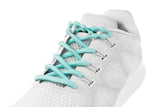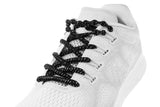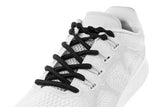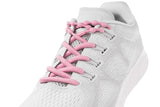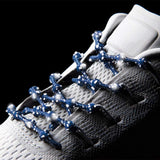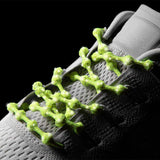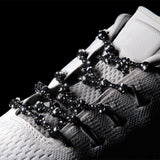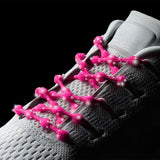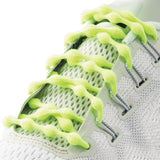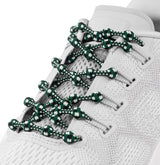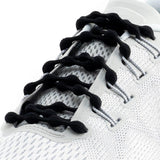


Imagine putting on your favourite sneakers and heading out without tying a single knot. No loose laces to fix, no double knots to undo and no stopping during your day to readjust your shoes.
Elastic no-tie shoelaces offer a convenient alternative to traditional laces, but getting the right fit is important. If you're trying them for the first time, you might wonder how to install them, how tight they should feel and how to keep your shoes comfortable.
This guide explains how to install and adjust elastic no-tie shoelaces, with practical tips to help you get started. You'll also learn how Caterpy's distinctive elastic bump technology can help you customise the fit of your shoes.
What Are Elastic No-Tie Shoelaces?
Elastic no-tie shoelaces replace traditional laces with a flexible design that stretches as you put on and remove your shoes. Once installed, they are designed to eliminate the need to repeatedly tie and untie your laces.
Caterpy uses its patented elastic bump technology to help maintain tension between the eyelets without additional plastic fastening hardware. Depending on the model, the lace design allows you to adjust the fit to suit your preferences and footwear.
Whether you're preparing running shoes for training or making everyday sneakers easier to slip on, the right installation can make a difference to comfort and convenience.
What You'll Need Before You Start
You don't need special tools to install Caterpy elastic no-tie shoelaces. Before starting, make sure you have:
- A pair of lace-up shoes.
- A compatible pair of Caterpy no-tie shoelaces.
- A few minutes to lace your shoes and adjust the fit.
It's also worth checking the recommended lace size for your footwear before purchasing. The correct length makes installation easier and leaves enough room to adjust the tension.
Step-by-Step: How to Install Elastic No-Tie Shoelaces
Step 1: Remove Your Existing Shoelaces
Start by removing the traditional laces from your shoes. Pull them out carefully, working from the top eyelets down to the bottom.
This gives you a clear starting point and makes it easier to install your new laces. While you're at it, check that the eyelets are in good condition.
Step 2: Thread the Laces Through the Eyelets
Take your Caterpy laces and thread them through the bottom pair of eyelets, just as you would with regular shoelaces. Keep the lace centred so both sides have enough length as you work upwards.
Continue through the remaining eyelets using your preferred lacing pattern. Keep the lace neat and untwisted, and avoid pulling it too tightly at the beginning.
Step 3: Adjust the Tension Across Your Foot
Once the laces are installed, put your shoe on and check how it feels across your toes, midfoot and instep.
With Caterpy RUN, the bumps along the lace allow you to adjust tension at individual eyelet rows. This can be useful if one section feels tighter than another.
For example, if you notice pressure across the middle of your foot, try adjusting that section rather than loosening the entire lace. Make small changes until the shoe feels secure without squeezing your foot.
Step 4: Check the Fit While Standing and Walking
A shoe may feel comfortable while you're sitting down but different once you start moving. Stand up, walk around and flex your foot to see how the laces feel during normal movement.
Check that your heel doesn't lift excessively, your foot isn't sliding inside the shoe and your toes have enough room to move naturally.
If anything feels too tight or loose, make small adjustments and test the fit again. For running or other active use, try light movement before relying on the shoes for a full session.
Step 5: Fine-Tune Until the Fit Feels Right
Finding your preferred tension may take a little experimentation. Different shoes have different shapes, eyelet patterns and upper materials, so the same lacing setup may not feel identical across every pair.
Adjust each shoe according to its fit rather than assuming both need exactly the same tension. Once you're comfortable with the setup, your laces are ready for everyday use.
How Tight Should Elastic No-Tie Shoelaces Be?
The ideal fit is secure enough to hold your shoe in place but comfortable enough to allow natural movement. Your laces shouldn't create uncomfortable pressure across the top of your foot.
Here are a few common fitting issues and what you can try:
| What you notice | What to try |
|---|---|
| Pressure across the top of your foot | Reduce tension in the affected section. |
| Too much movement around your heel | Check the overall shoe fit and adjust the relevant sections. |
| Loose fit around the midfoot | Increase tension gradually where needed. |
| Cramped toes | Check your shoe size and reduce excessive tension near the forefoot. |
If discomfort continues after adjusting the laces, check whether the shoe itself is suitable for your foot shape and size. No lacing system can compensate for footwear that doesn't fit properly.
Which Caterpy No-Tie Shoelaces Should You Choose?
Caterpy offers different lace designs for different preferences and activities. Understanding the main differences can help you choose an option that suits your footwear.
Caterpy RUN: For Customisable Tension
Caterpy RUN No-Tie Shoelaces feature bumps throughout the lace, allowing you to adjust tension across individual eyelet rows. They're designed with running, athletic activities and active lifestyles in mind.
Caterpy AIR: For Everyday Wear
Caterpy AIR No-Tie Shoelaces have a cleaner, more minimalist look while still giving you custom tension across every eyelet. They're an option for everyday shoes, travel and casual wear.
Caterpy AIR 2.0: For Zoned Elastic Tension
Caterpy AIR 2.0 features zoned elastic tension, with a different balance of support through the midfoot and flexibility near the toes.
Compare the available designs and product specifications to find the style that best matches your shoes and preferred fit.
Common Mistakes to Avoid
Although installation is straightforward, a few small mistakes can affect comfort.
- Pulling too tightly at the start: Begin with balanced tension and adjust gradually.
- Ignoring differences between your feet: Adjust each shoe individually if one feels tighter than the other.
- Skipping the walking test: Always check the fit while standing and moving.
- Choosing the wrong lace size: Check the manufacturer's sizing recommendations before buying.
- Using the same setup for every shoe: Different footwear may need different tension adjustments.
Taking a little extra time during installation can help you achieve a more comfortable fit.
How to Care for Your Elastic No-Tie Shoelaces
With regular use, it's worth checking your laces and shoe eyelets for visible wear or damage.
Follow the care instructions supplied with your specific Caterpy product. Caterpy's product guidance states that its laces can be machine-washed in cold water; avoid tumble-drying them because heat may damage the rubber components. Allow them to air-dry completely.
If you move your laces to another pair of shoes, readjust the tension to suit the new footwear.
Make Everyday Shoes Simpler with Caterpy
Installing elastic no-tie shoelaces is about more than replacing traditional laces. It's about finding a fit that feels comfortable and makes your daily routine easier.
From the adjustable design of Caterpy RUN to the casual styling of AIR and the zoned tension of AIR 2.0, there are different options to explore.
Ready to make the switch? Browse the Caterpy Australia No-Tie Shoelaces collection to compare available styles and find an option for your everyday routine.
Frequently Asked Questions
How do you install elastic no-tie shoelaces?
Remove your existing laces, thread the new laces through the eyelets using your preferred pattern, and adjust the tension until the shoes feel secure and comfortable.
Do no-tie shoelaces need plastic clips?
Caterpy's no-tie shoelaces do not require additional plastic fastening hardware. Their design uses elastic technology and strategically placed bumps to help maintain tension.
Can you adjust the tightness of Caterpy shoelaces?
Yes. Caterpy RUN allows tension adjustments at individual eyelet rows. Other models use different elastic and tension-zone designs, so check their product details for specific features.
Are elastic no-tie shoelaces suitable for running?
Caterpy RUN is designed for running and active lifestyles. Check the fit and test your shoes with light movement before using them for demanding activities.
Can Caterpy no-tie shoelaces be reused?
Caterpy states that its laces can be removed and reused in different pairs of shoes. Adjust the tension again whenever you install them in new footwear.
Where can I buy no-tie shoelaces in Australia?
You can explore the Caterpy Australia No-Tie Shoelaces collection to compare available designs and product details.